You searched your own name and did not like what came back. That is why you are here, and it is worth saying early that the situation is usually more fixable and much cheaper than it feels right now.
Most of what people find is data broker listings: your address, phone number, age and relatives, sold and resold by companies you have never heard of. That costs somewhere between nothing and 129 dollars a year to clear. The expensive help further down this page is for a different and rarer problem.
Everything is sorted by price, cheapest first. Find your budget, read that section, and ignore the rest.
Free, and worth doing even if you plan to pay
Do these before anything else. You cannot make a sensible decision about what to buy until you know what is actually out there.
 BrandYourself
A free forever tier, not a trial. It scans what shows up for your name and hands you a list of problems. Ten minutes, and it turns a vague dread into something specific you can work through. Paid DIY plans start around 29 dollars a month, with managed tiers priced by quote.
It is a tool, not a service, so it will not do the work for you. If you want someone else to handle it, skip to the last section.
 Atlas Privacy
The free plan gives you an exposure scan plus more than 50 step by step guides for opting out of broker sites yourself. If you have more time than money, this is the best free thing on the page. An afternoon of work removes real listings.
Atlas is known for suing data brokers in New Jersey on behalf of police officers and public officials. It is interesting, and it does nothing for you as an ordinary subscriber, so judge the product on the product.
 Mozilla Monitor
Free breach monitoring from the nonprofit behind Firefox. It checks known breaches for your email, passwords and card details, and tells you when something new appears.
One thing to know, because their older reviews still say otherwise: the paid tier that removed data from broker sites shut down in December 2025. What remains is breach alerts, which is genuinely useful, and nothing else. Do not sign up expecting removals.
Signs you need the next band up: the free scans keep finding the same listings after you opt out, or there are more of them than you want to handle by hand. Brokers relist, and doing that manually forever is nobody’s idea of a good time.
Under 200 dollars a year, where most people should land
This is the right answer for the large majority of individuals. These tools remove your details from the broker and people search sites that feed the results you are worried about. They work the same basic way, and the differences come down to coverage, proof and refund terms.
| Tool | Sites covered | Re-checks | Proof of removal | Refund window |
|---|---|---|---|---|
 EasyOptOuts EasyOptOuts |
200 plus | Every 4 months | None | Not published |
 Optery Optery |
375 to 635 plus | Recurring | Before and after screenshots | 30 days |
| Incogni | 420 plus | Continuous | None | 30 days |
 DeleteMe DeleteMe |
950 plus | Quarterly | Quarterly report | 7 days |
EasyOptOuts
19.99 dollars a year, which makes it the cheapest thing here that actually does something. Around five minutes to set up, 200 plus sites, rechecked every four months. Consumer Reports tested it in 2024 and it held its own against services costing several times more.
Be realistic about the trade. There is no free scan, so you pay before you see anything. That same testing found roughly a third of listings still present after months. Support is email only. At 20 dollars a year, all of that is forgivable.
Optery
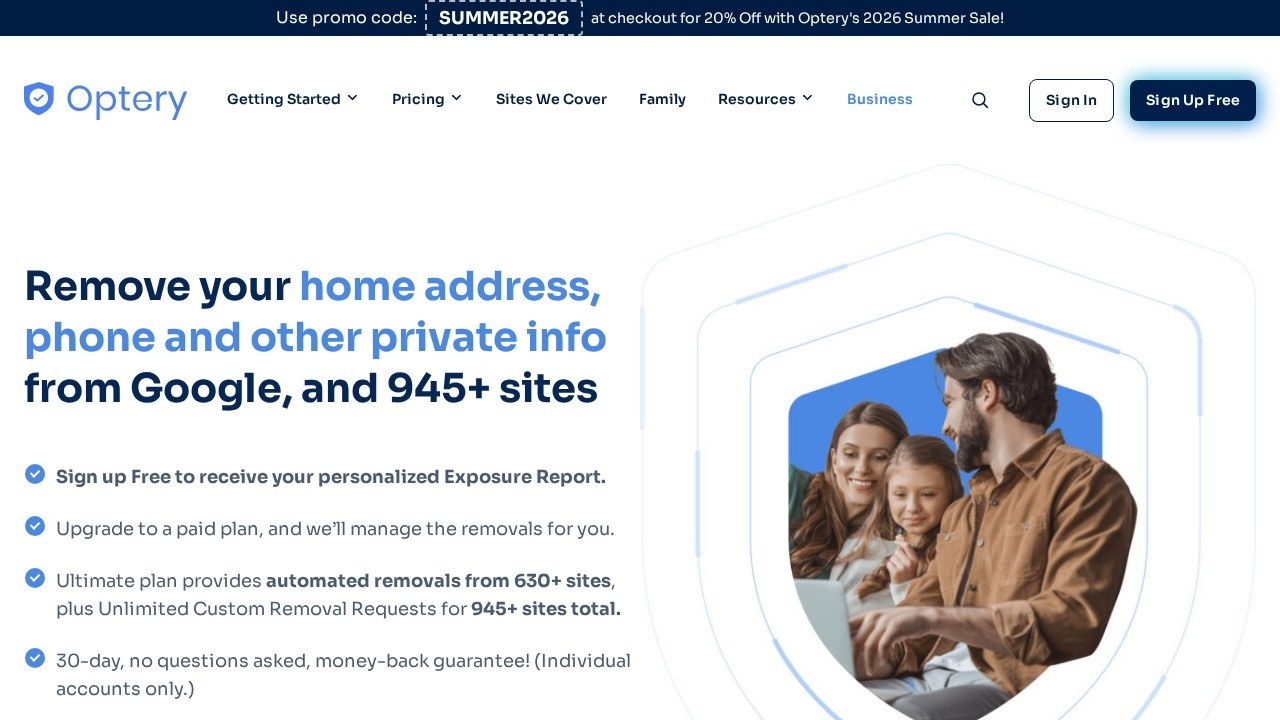
From 3.99 dollars a month with a free scan first. What sets it apart is proof: a before and after screenshot of every listing it removed. Most competitors just give you a number, and numbers are easy to inflate.
Two things to watch. The cheapest tier covers one name and one city, so a move or a name change pushes you up a plan. And some users report the dashboard marking things removed that are still live, so check a few yourself.
Incogni
7.99 dollars a month on the annual plan, from the company behind Surfshark and NordVPN. It covers more than 420 brokers and has live chat around the clock, which almost nothing at this price does.
Coverage is narrower than DeleteMe, and there is no free trial, only a 30 day refund window.
DeleteMe
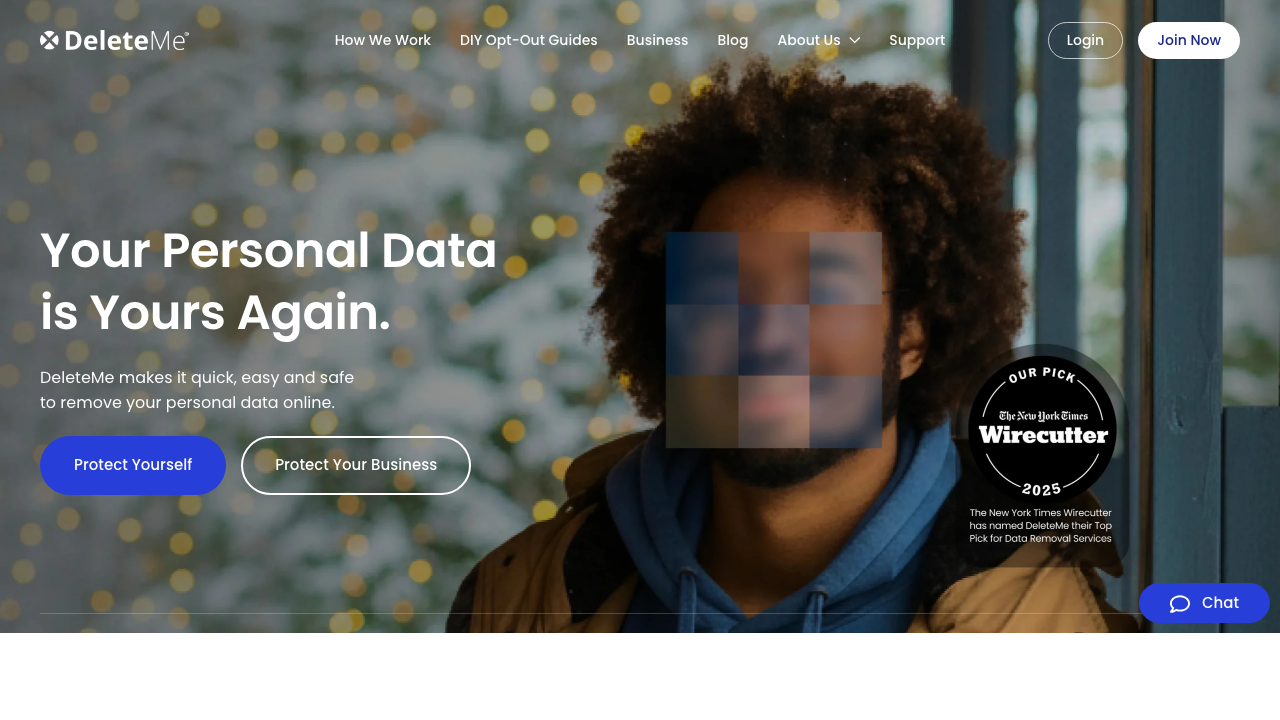
129 dollars a year, running since 2010, and the widest coverage of any consumer tool at 950 plus sites. Real human privacy advisors handle the cases automation cannot, and a report every three months shows what was found and what came down.
No free trial, a seven day refund window, and you are committing to a year. If you want the broadest coverage and would rather not think about it again, this is the one to pick.
Signs you need the next band up: you are covering a family rather than yourself, you have had a breach or a doxxing incident, or you want identity and credit monitoring in the same place.
200 to 1,000 dollars a year, for wider coverage or a bundle
This band is mostly the upper tiers of the same kind of product. You are paying for more sites, family coverage, or a package that does more than data removal.
I should say plainly here that New Life Reputation runs this site and appears in the last section. We are not in this band and have no product to sell you in it, but you should still know who is writing.
 Aura
Aura
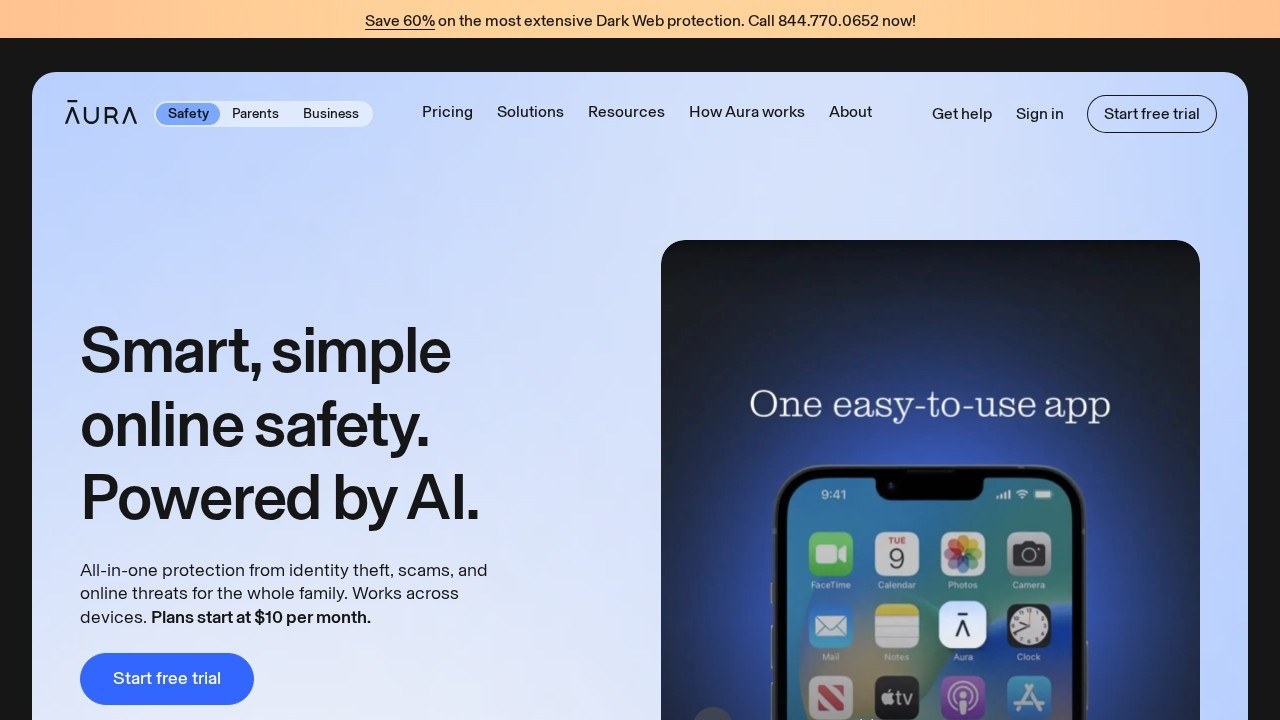
From 12 dollars a month, bundling identity theft protection, credit monitoring, antivirus, a VPN, a password manager and removal from 200 plus brokers. Family plans cover up to five adults with unlimited kids. There is a 14 day trial and a 60 day refund window on annual plans.
Two honest warnings. The data removal part is the weakest piece of the bundle and reviewers say it is thinner than the dedicated tools above. And Aura disclosed a breach in 2026 caused by a phishing attack on an employee, which is worth weighing from a company whose product is protecting your data. Complaints about difficult cancellation and surprise renewals come up regularly too.
 Privacy Bee
Entry plans start at 8 dollars a month billed annually, with the top tier around 799 dollars a year covering up to 1,121 brokers. There is a free scan with no card required. Users often report a noticeable drop in spam calls, which is the most tangible sign any of these tools are working.
Independent testers found actual removals well short of the advertised count after several months, and several reviewers describe cancellation as difficult. For a privacy company that is an odd thing to get wrong.
 ReputationDefender
The oldest name here, running since 2006 and now owned by Gen Digital, the company behind Norton. Privacy plans are published at 1,000 and 5,000 dollars a year, which is unusual honesty for this market.
Their broader reputation work is quoted separately and can run from 500 to 15,000 dollars a month, so that is a different conversation. Reviewers say the service feels less personal since the acquisition, which is what usually happens when a small company joins a large one.
Signs you need the next band up: the problem is not a database listing at all. If what worries you is an article, a court record, or a first page with nothing good on it, no subscription fixes that.
Priced by quote, when software cannot help
Software cannot write your first page for you, and it cannot talk to a publisher. That is agency work, and none of it has a price you can look up.
 Reputation911
A small Massachusetts agency running since 2010 under the same founder, BBB accredited with a 5.0 on Clutch. Clients consistently say the team is easy to reach, which matters more than it sounds when you are anxious about this.
Work starts around 500 dollars and serious crisis cases can reach 50,000. Fewer than ten people, so capacity is limited, and the independent review count is small.
 Reputation Rhino
A New York agency with dedicated tracks for individuals such as doctors, lawyers and executives. The founder is a former attorney, so legal removal routes are available that a pure SEO shop cannot offer. They publish a 30 day money back guarantee, which is rare here.
Reported projects run from 10,000 dollars into the 50,000 range, and legal fees may be billed on top of the retainer. Ask about that specifically.
 New Life Reputation
This is us, and you should be harder on this entry than any other.
We work only with individuals, never brands. Our approach leads with building rather than deleting: a look at what your name returns now, then accurate pages, a personal site and profile work, then pushing outdated or unfair results down by outranking them. We tell you what you can do yourself for free before quoting anything, and we say plainly that we cannot delete public records or promise a top ranking.
The fair criticisms: no published pricing, a new brand, and no independent reviews for you to check. Our personal reputation service page explains the approach, and the guides cover the parts you can do without us.
What to actually do this week
Run the BrandYourself scan and the Atlas exposure check. Write down what you find. Most people discover the problem is smaller than they feared and is mostly broker listings.
If that is what you see, pick something from the under 200 band and let it run for three or four months. None of these work overnight, and the first month always looks disappointing.
Only move up if the scan turns up an article, a record, or an empty first page that needs something built on it. If you are not sure which of those you have, send us the search and we will tell you. That is the point where a person beats a tool, and it is the only situation on this page worth paying real money for.
Last updated on July 28, 2026